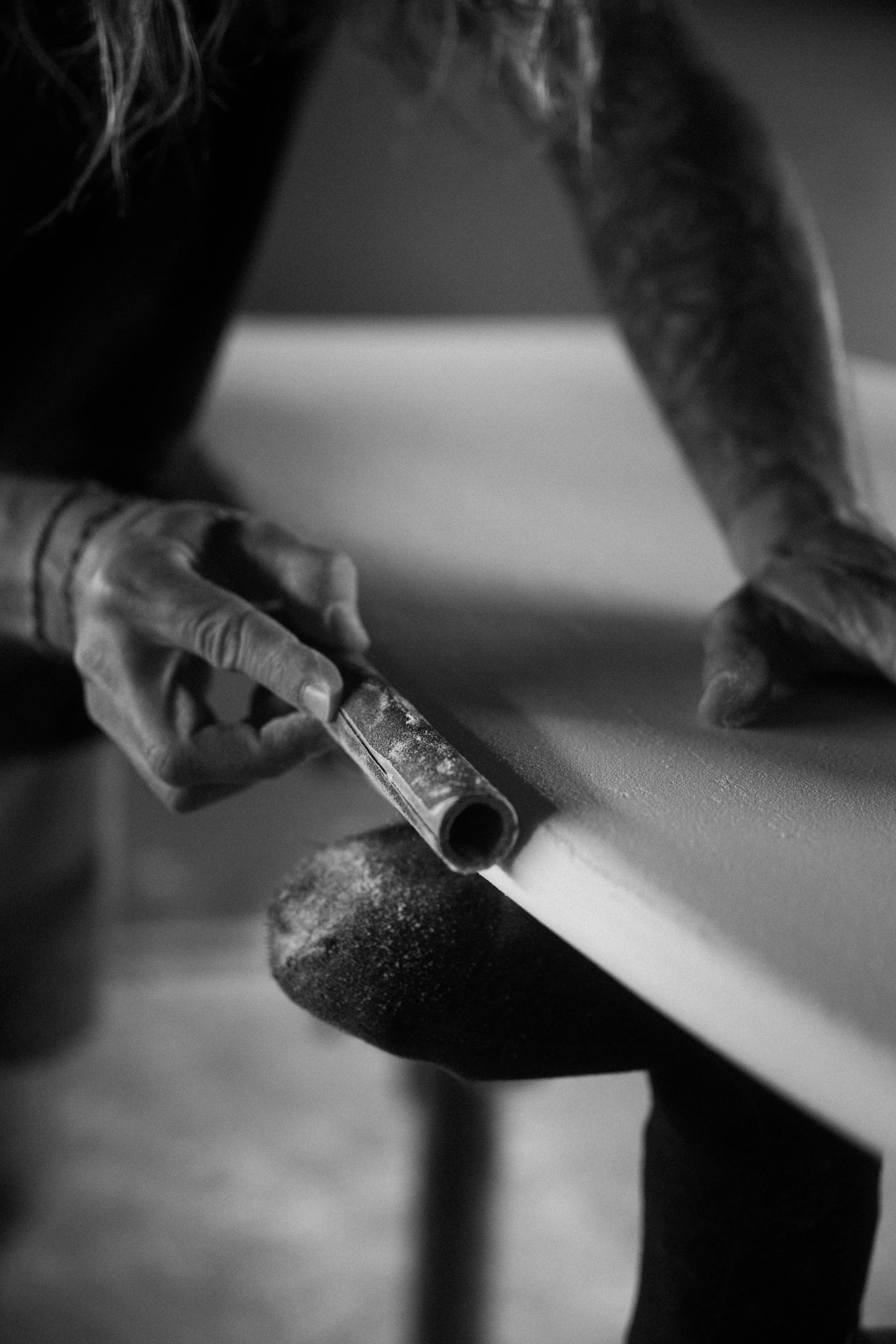
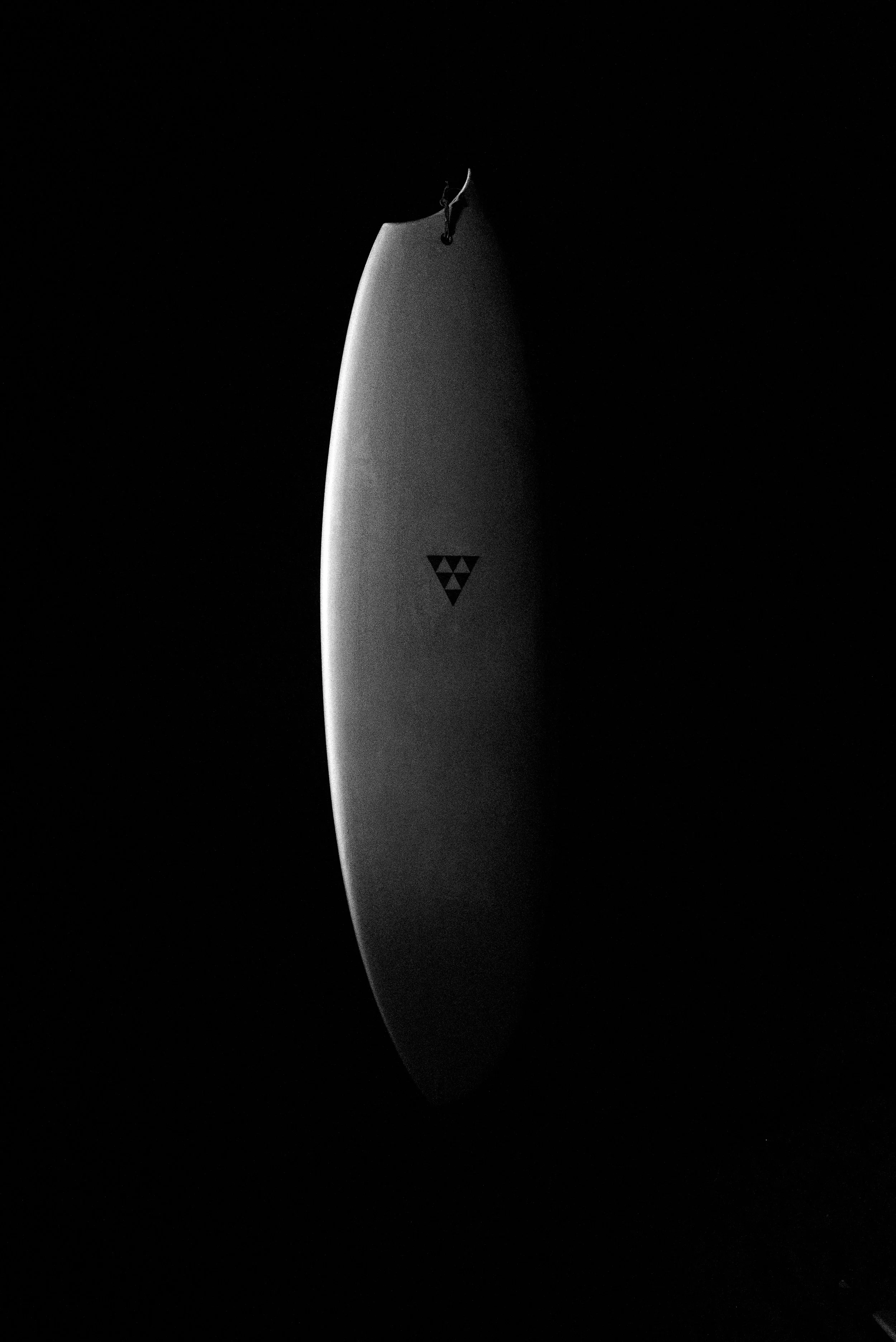
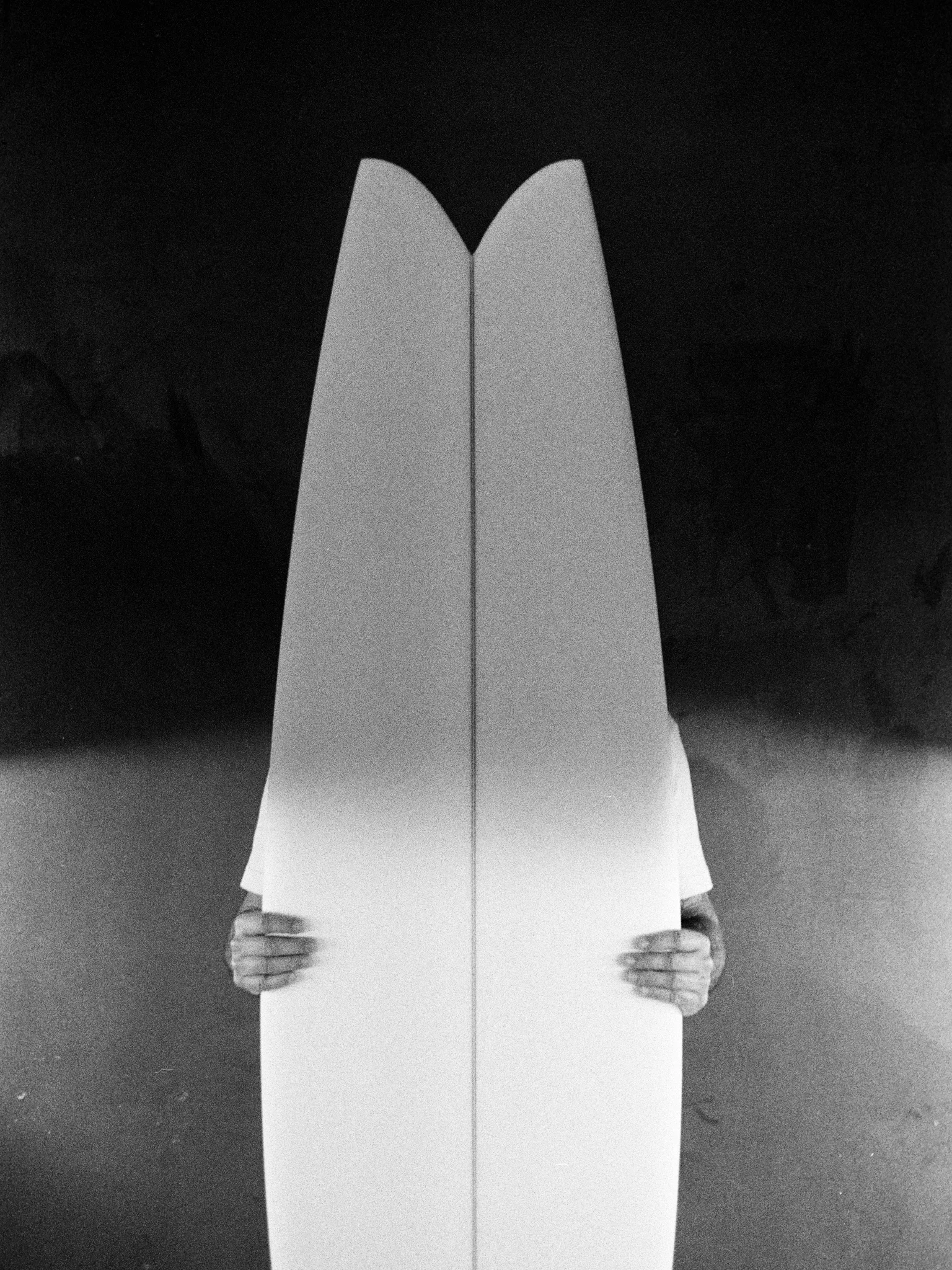
A surfboard begins long before it reaches the water. It begins with an idea, a conversation, a feeling about how a board should surf. For Ross, shaping has always been a process of observation, experimentation and refinement. It is about understanding the principles that make a board work, then questioning them, bending them and finding new ways forward.
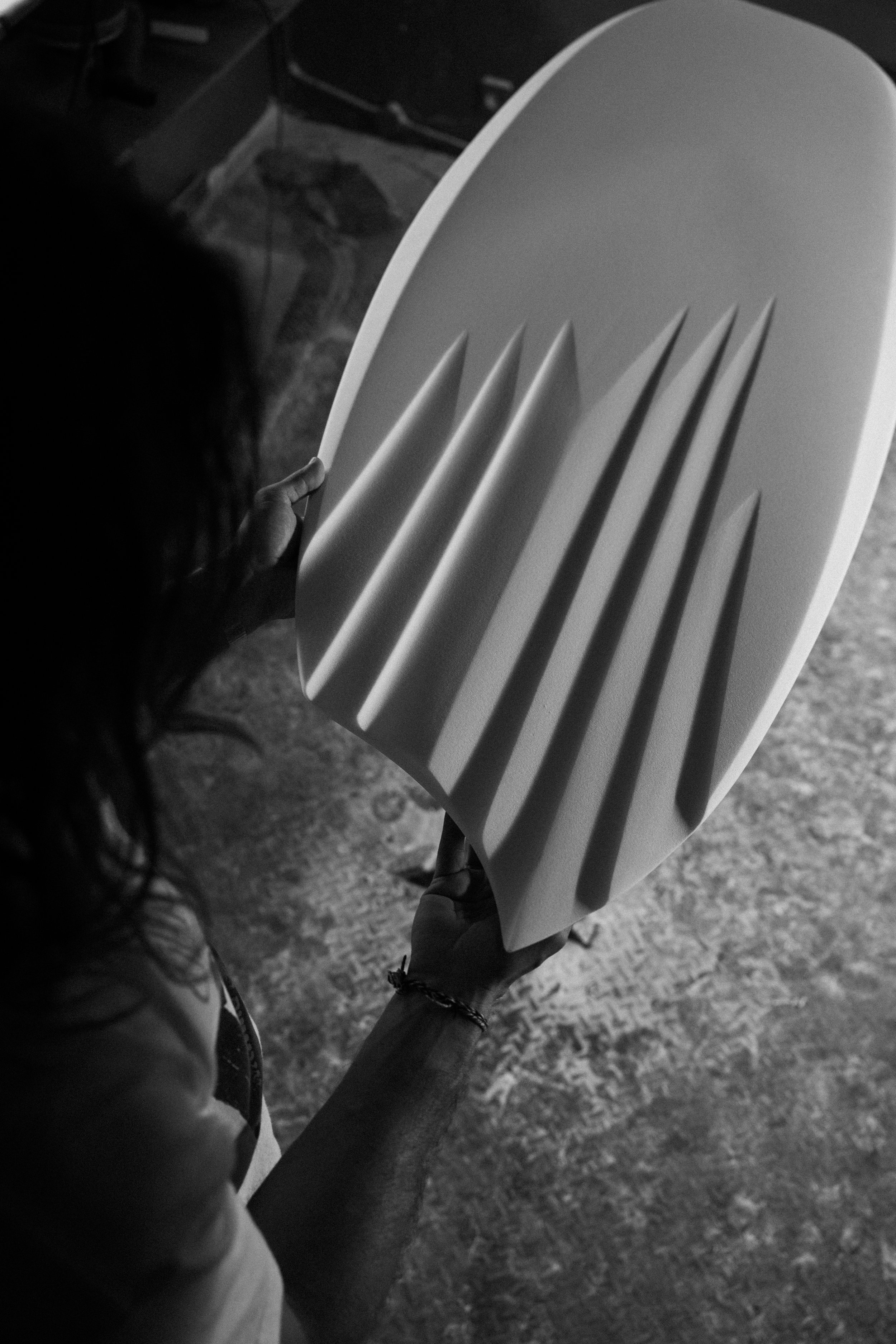
The Custom Crafts are part of this ongoing process of experimentation, where familiar concepts can be taken apart, reworked and brought together in new ways. Understanding the patterns and foundations is what allows you to move beyond them. A different outline, a new rocker, a change in volume, rails or fin placement can completely change the way a board moves through a wave, creating new possibilities for how it can be surfed.
There is no single formula. Every shape has something to teach, and every experiment opens the possibility of something new.
CUSTOM CRAFTS

BOTH SIDES OF THE CRAFT
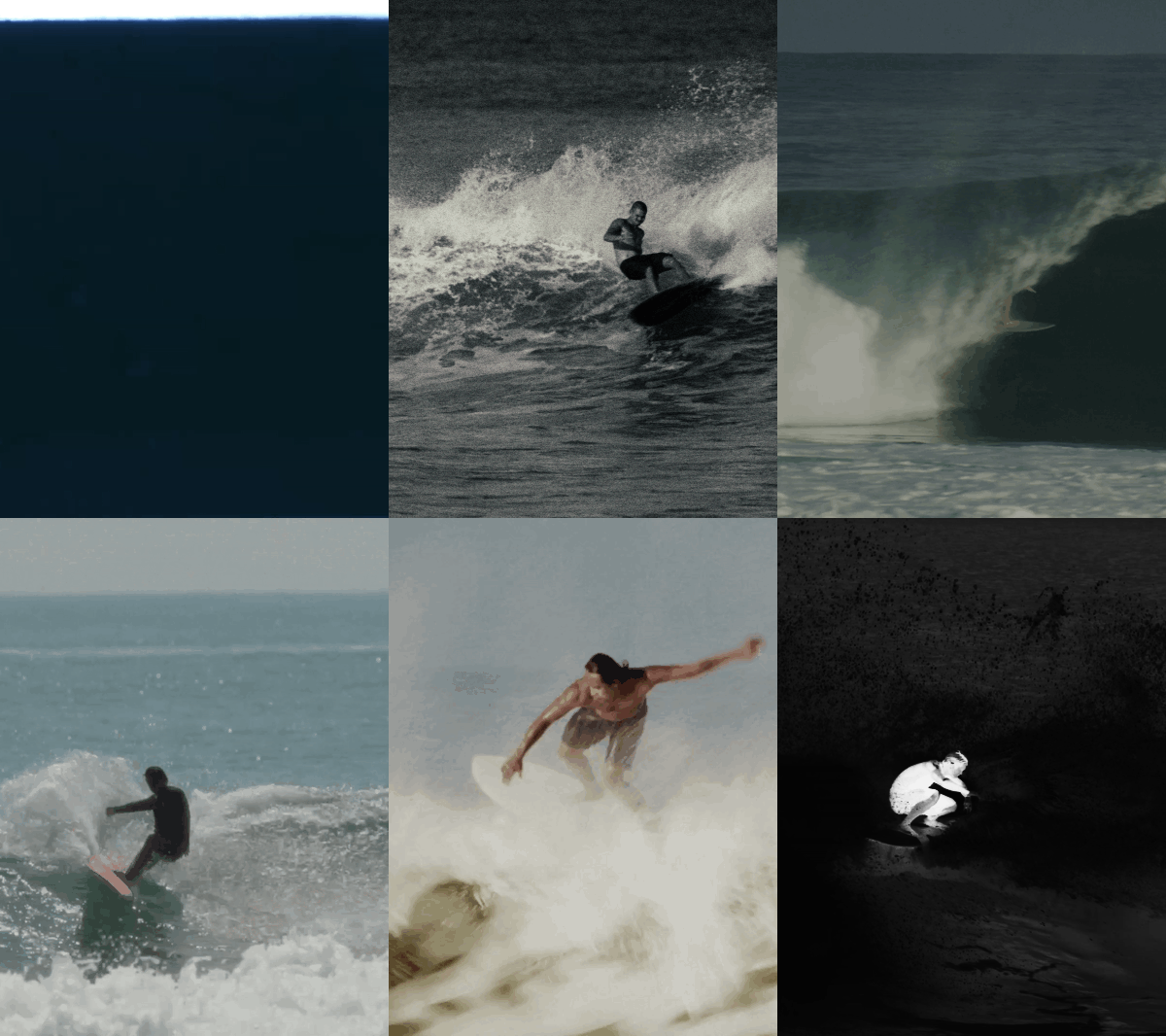
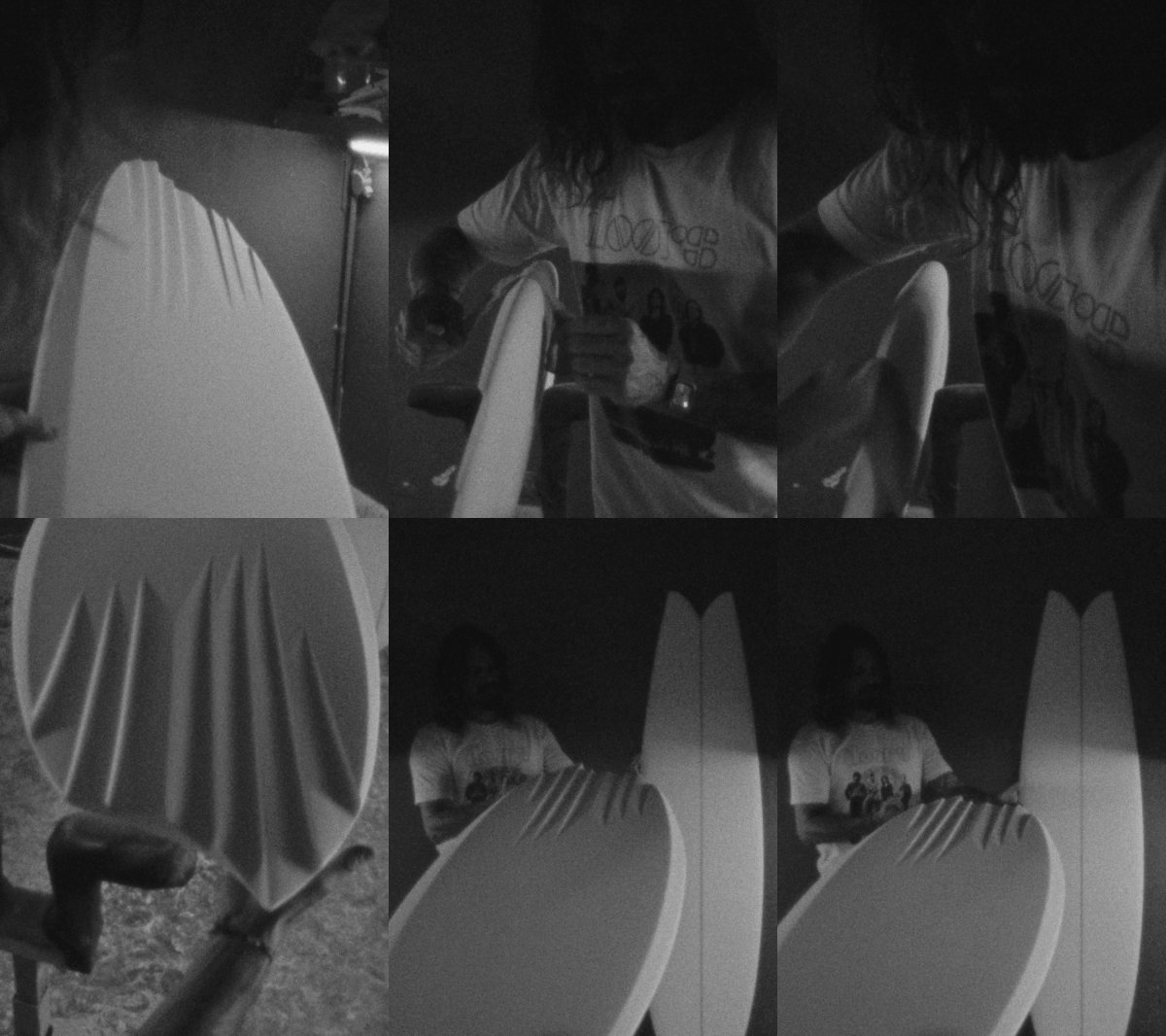
The shaping room is only one side of the craft. The other is the water. A board has to leave the bay, be surfed, tested, pushed and understood. Ross has always developed his shapes through this relationship between both sides of the craft, where what happens in the water comes back into the shaping room, and what happens in the shaping room eventually finds its way back to the water. Feedback from surfers, different waves and different approaches all become part of the process, shaping what comes next.
The Ross Concept range is not the end of that process. It is a starting point. Every model comes from years of refinement, but shaping has never been about reaching a final answer. There is always another way to approach a wave, another direction to explore. Custom shaping keeps that door open, allowing the process to move beyond the models and become something more specific to the surfer, the waves and the way they are ridden. The next board might already be taking shape.
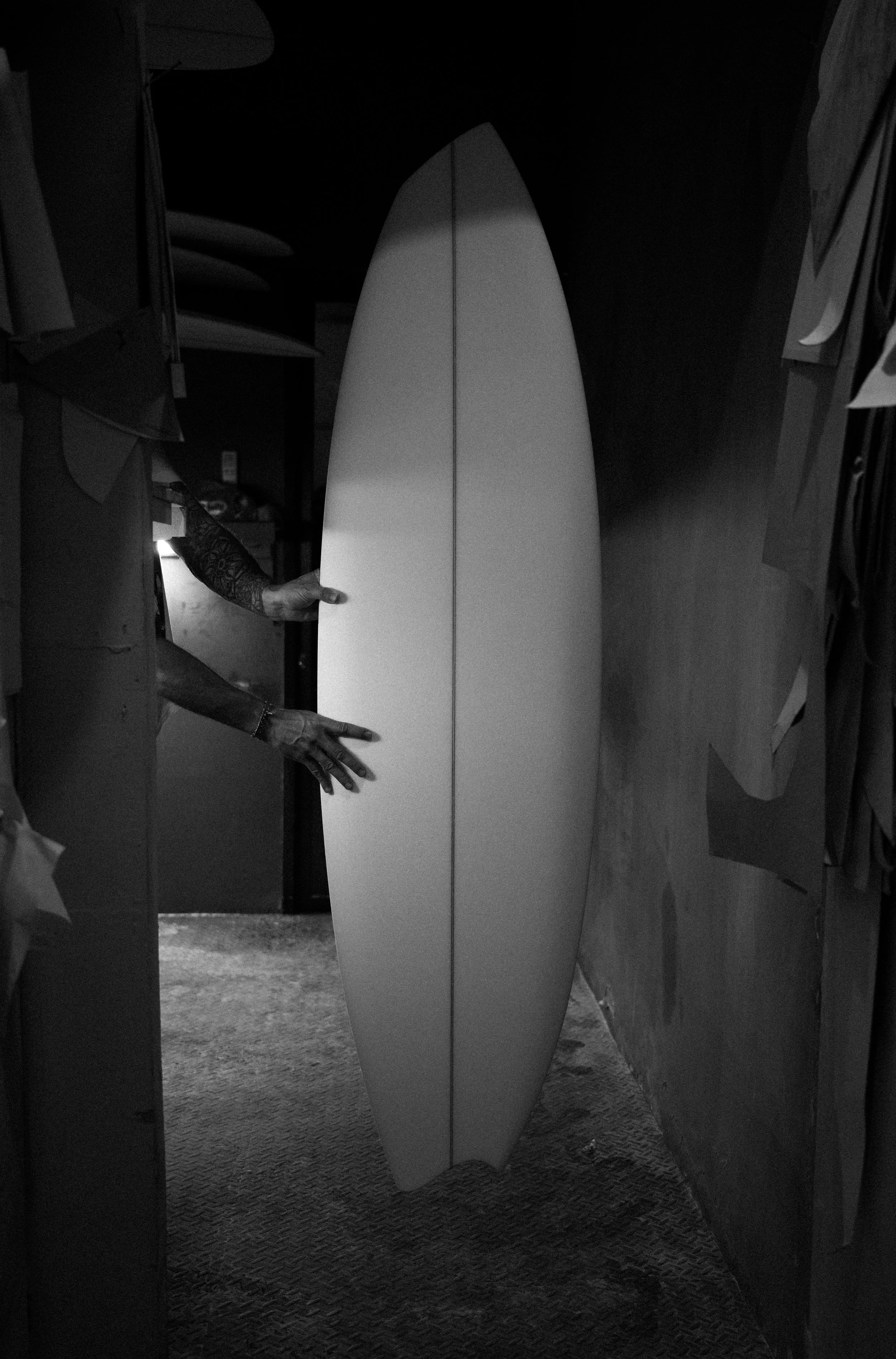
A custom board starts with a conversation. Where you surf, how you surf and what you want the board to do. From there, the process becomes collaborative, with dimensions, outlines, rails, rocker, volume, fins and finish all becoming part of the conversation. The goal is not simply to make a different board, but to make the right board for the person riding it.